Overview
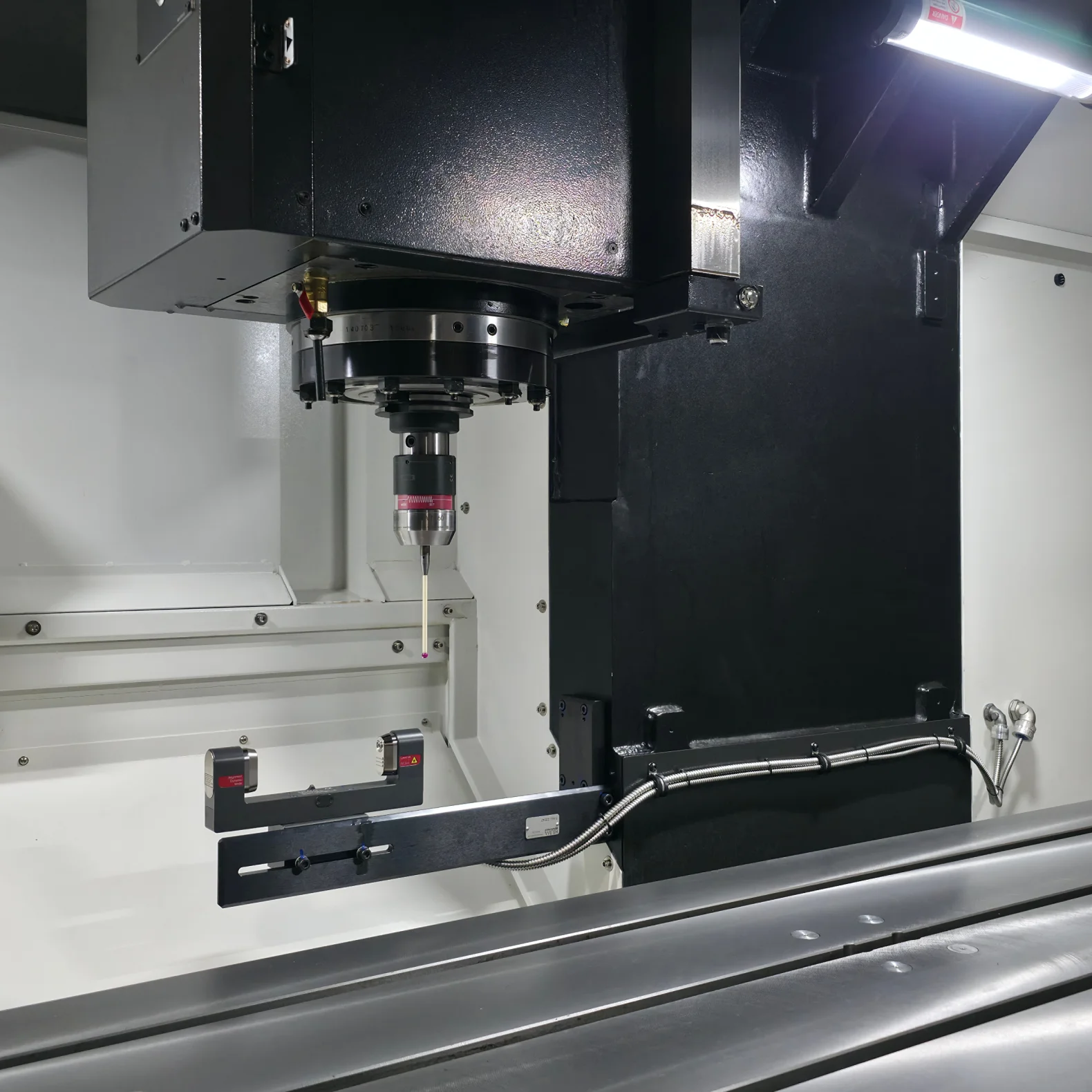
A customer reported recurring tooling instability, inconsistent cutting performance, and premature spindle taper wear on a CNC machining center. Operators also noted occasional tool retention issues during machining operations.
Machine Tool Specialists was contracted to diagnose the spindle clamping system and restore proper tool retention force before catastrophic spindle damage occurred.
The Problem
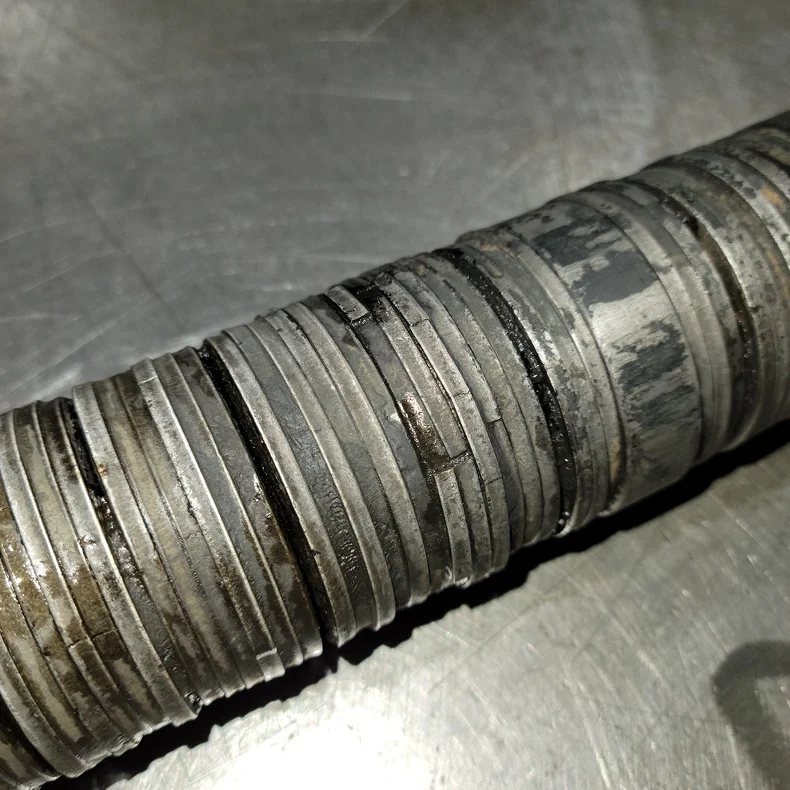
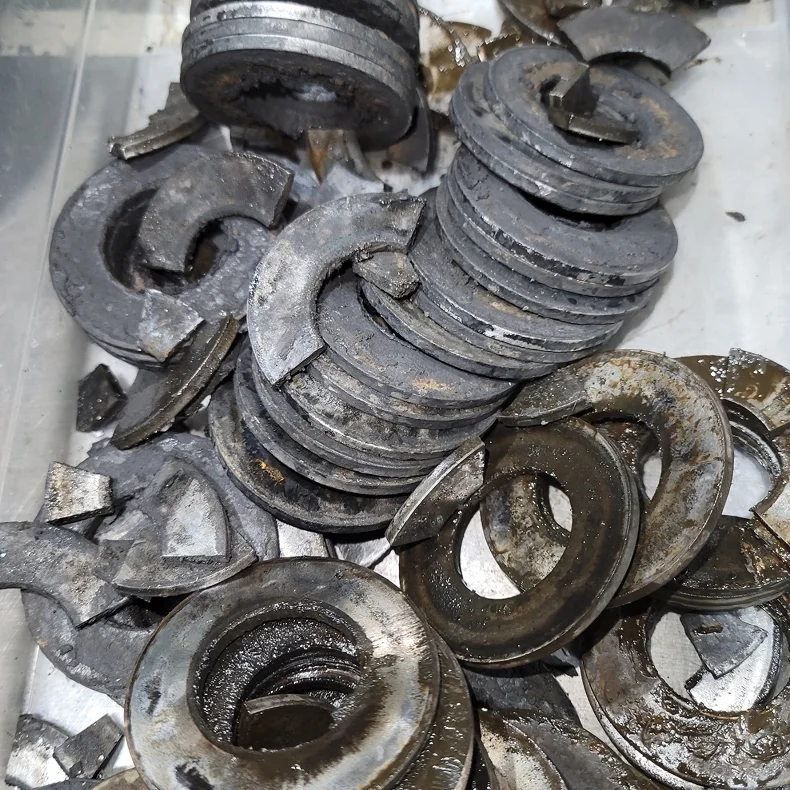
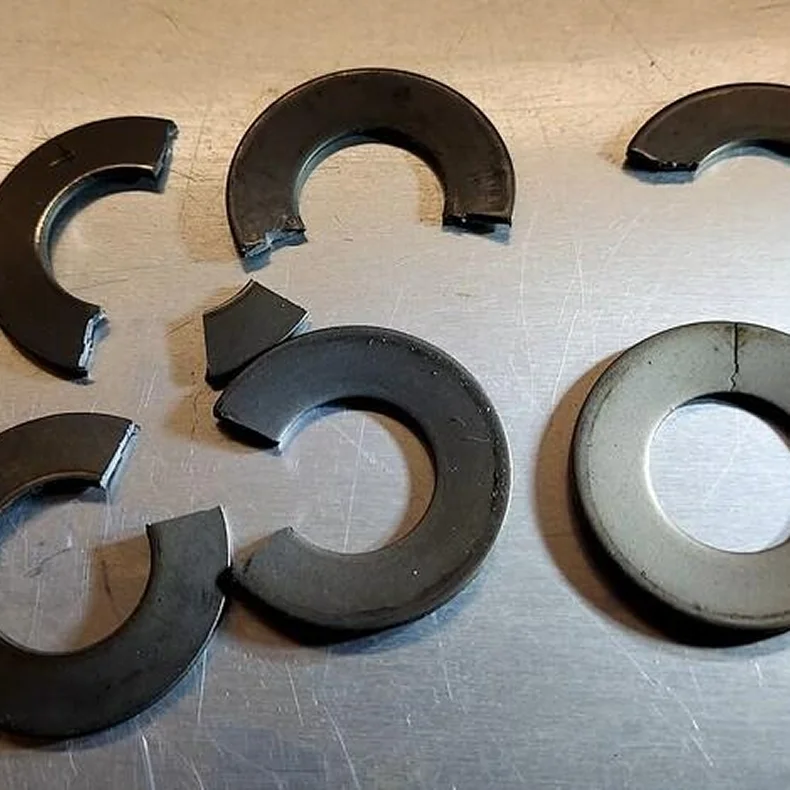
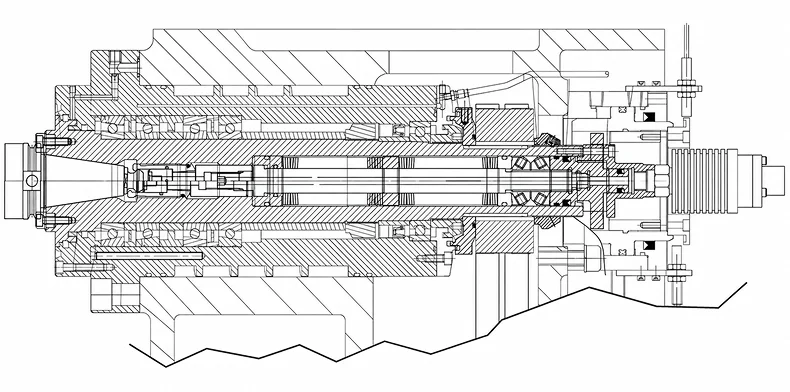
The machine was operating with critically low tool clamping force caused by failed and collapsed drawbar spring washers.
Insufficient clamping force can create several serious machining problems, including:
- Premature spindle taper wear
- Reduced tooling rigidity
- Increased vibration during cutting
- Poor surface finish quality
- Inconsistent machining accuracy
- Increased cutting forces on the spindle assembly
- Tool pullout during aggressive machining
- In extreme cases, failure of the toolholder to clamp entirely
These conditions significantly increase the risk of spindle damage and unplanned production downtime.

Repair Process
To restore proper spindle performance, the drawbar assembly was disassembled and inspected.
- Removal of the drawbar assembly
- Replacement of failed spring washers
- Inspection of the spindle taper and retention system
- Cleaning and reassembly of the spindle clamping mechanism
- Final drawbar force verification and calibration
In some cases, spindle design or machine access limitations require the spindle to be removed from the machine in order to properly service the drawbar assembly.


Results
Following repair and reassembly:
- Proper tool clamping force was restored
- Tool retention reliability improved
- Spindle rigidity returned to specification
- Cutting stability improved significantly
- Risk of spindle taper damage was eliminated
- The machine was returned to safe production operation
Why Drawbar Force Testing Matters
Tool retention force is one of the most overlooked maintenance items on CNC machining centers. A machine may continue running while operating with dangerously low clamping force, causing progressive spindle damage over time.
Routine drawbar force testing can help identify problems before they lead to:
- Spindle rebuilds
- Toolholder damage
- Scrap parts
- Poor machining accuracy
- Unexpected downtime

Machine Tool Specialists provides professional spindle diagnostics, drawbar force testing, spindle repair, and preventative maintenance services for high-performance CNC machinery.
Based in Windsor, we support manufacturers throughout the region with expert CNC repair and machine restoration services.